
Optimal Timing for Fire Restoration
Understanding the optimal timing for fire restorations is essential for effective recovery. The best time to undertake fire restoration projects depends on various factors including weather conditions, fire seasonality, and property readiness. Typically, fire restorations are most effective during dry months when access is easier and environmental conditions are stable.
Fire restorations are often prioritized after fire seasons, which vary by region. In Buffalo, NY, the late summer and early fall are common periods for fire activity, making immediate post-season restoration critical.
Dry, mild weather conditions facilitate safer and more efficient restoration efforts. Wet or humid conditions can delay work and increase risks.
Restoration should be scheduled once fire damage assessments are complete and safety measures are in place to prevent further hazards.
Timing restorations during or immediately after fire season ensures quicker recovery and minimizes further damage from weather or vandalism.
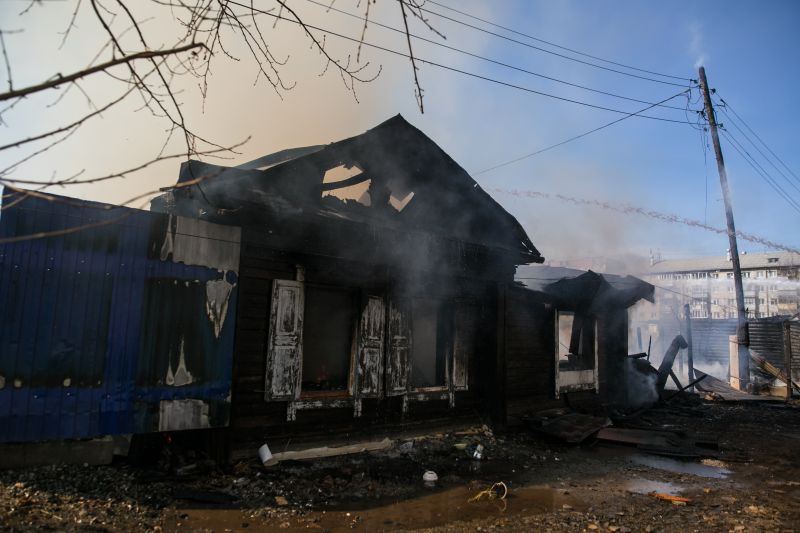
Assessing damage early helps determine the best timing for restoration.
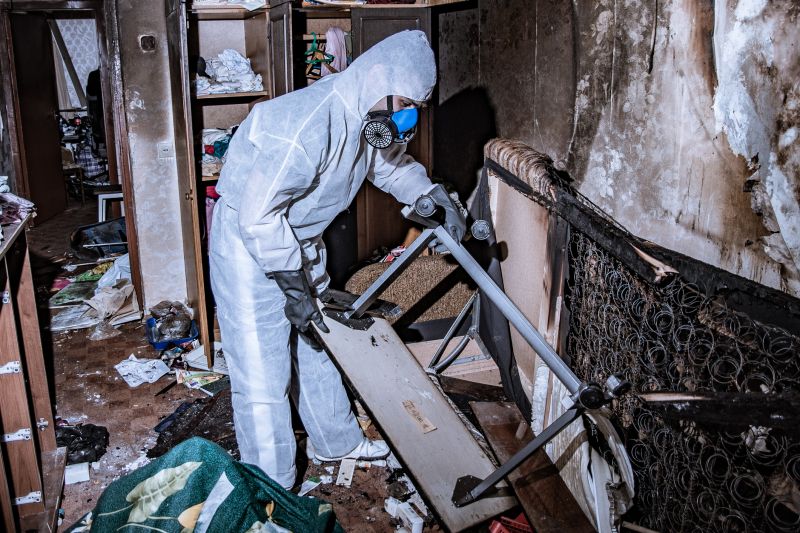
Cleaning debris promptly reduces secondary damages.
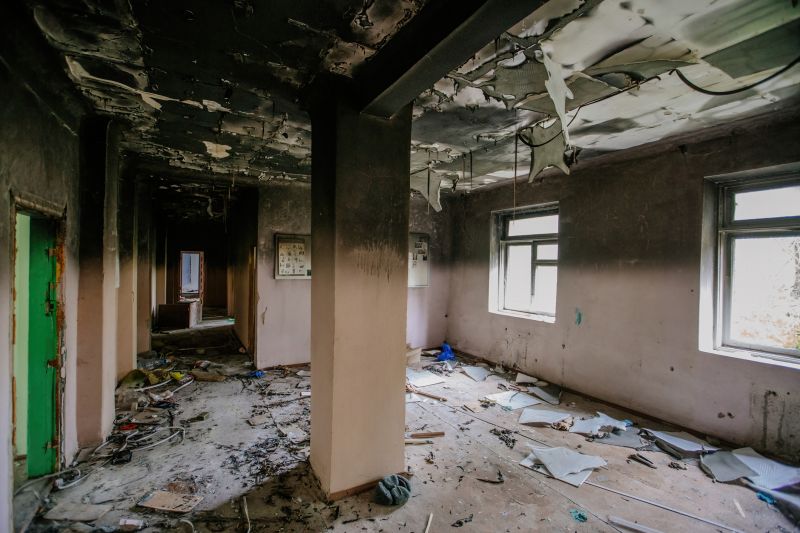
Optimal weather supports efficient restoration efforts.
Ways to make Fire Restorations work in tight or awkward layouts.
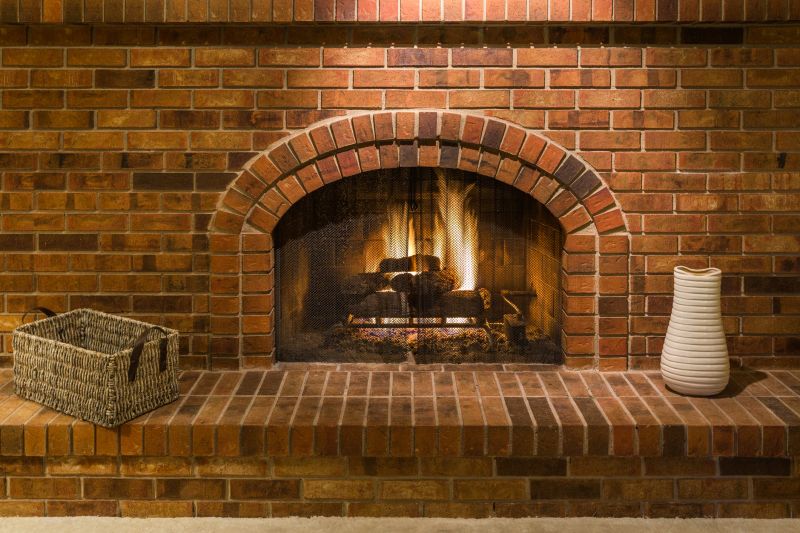
Popular materials for Fire Restorations and why they hold up over time.
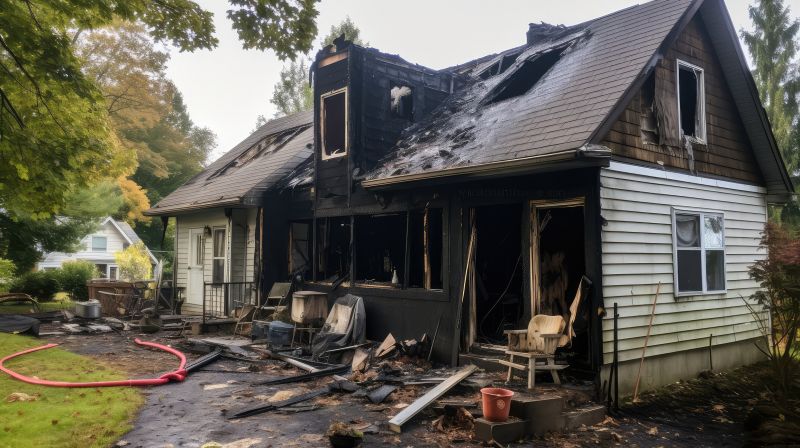
Simple add-ons that improve Fire Restorations without blowing the budget.
| Factor | Best Timing Advice |
|---|---|
| Fire Season | Immediately after fire season ends |
| Weather Conditions | During dry, mild weather |
| Property Readiness | Once damage assessment is complete |
| Community Coordination | Off-peak seasons for resource availability |
| Safety Considerations | When safety measures are in place |
Fire restorations involve comprehensive processes including debris removal, structural repairs, smoke and soot cleaning, and odor mitigation. Effective restoration minimizes long-term damage and restores safety and functionality to affected properties. Statistics indicate that timely intervention can significantly reduce repair costs and prevent secondary issues such as mold growth or structural deterioration.
The restoration process typically involves specialized cleaning techniques, structural assessments, and material replacement. The duration of restorations varies depending on the extent of damage, but prompt action is crucial for optimal results. In Buffalo, NY, fire damage is often exacerbated by seasonal weather changes, emphasizing the importance of scheduling restorations during favorable conditions.
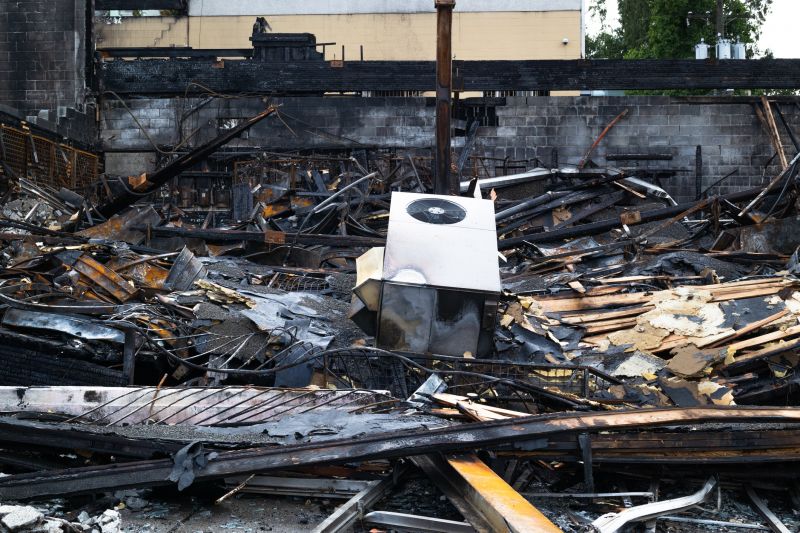
Restoration includes structural and cosmetic repairs.
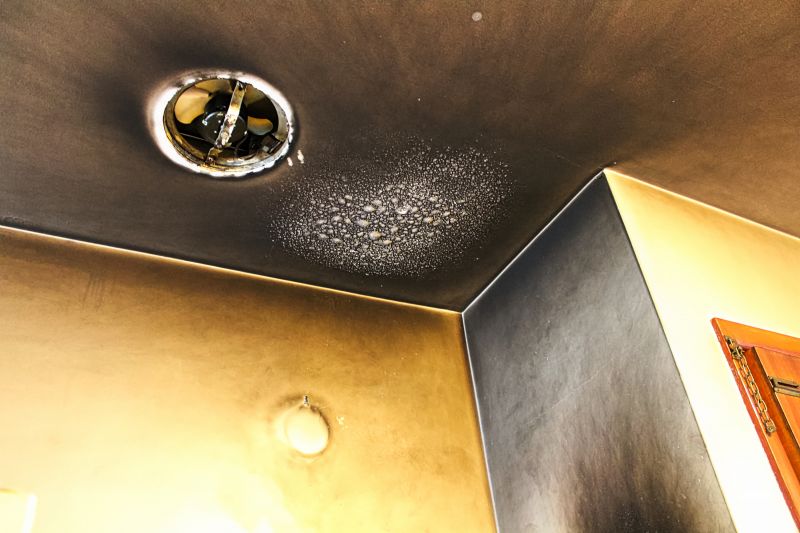
Specialized techniques remove residues and odors.
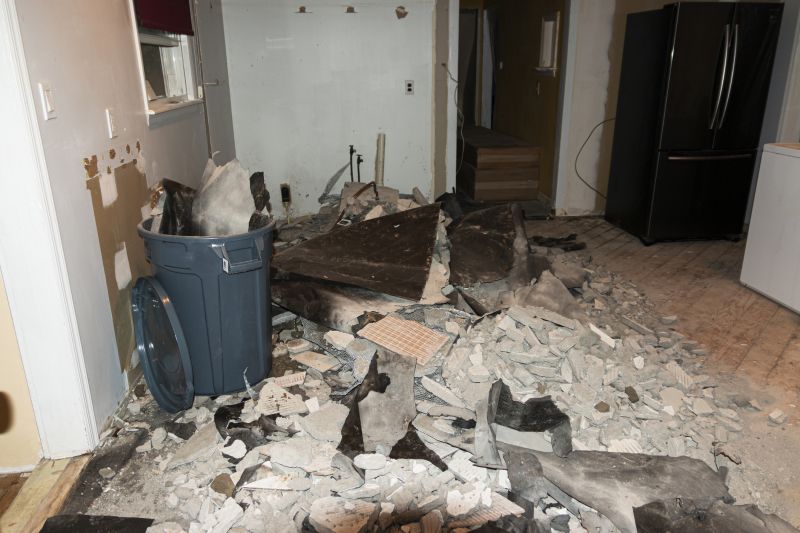
Effective odor removal restores indoor air quality.
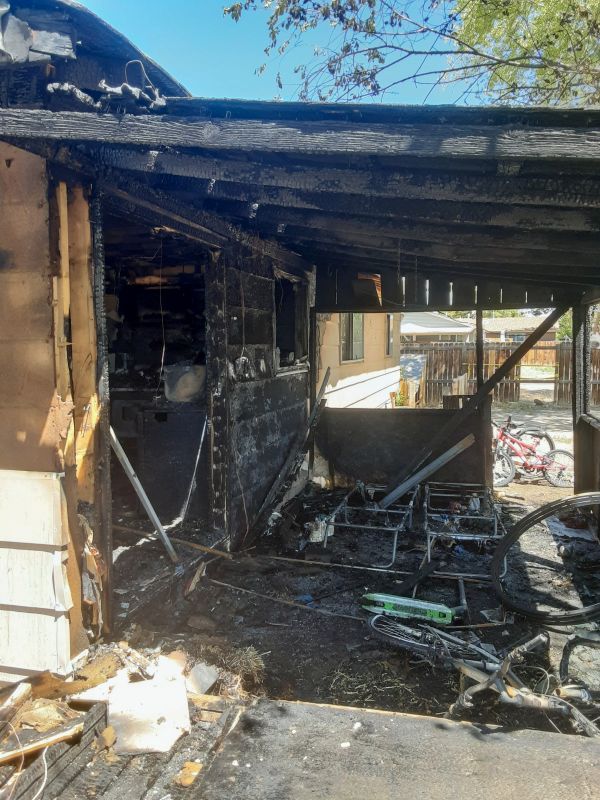
Strengthening compromised structures for safety.
Interested parties are encouraged to contact for more information about fire restoration services and scheduling options. Proper timing and expert intervention can help restore properties efficiently and effectively after fire incidents.